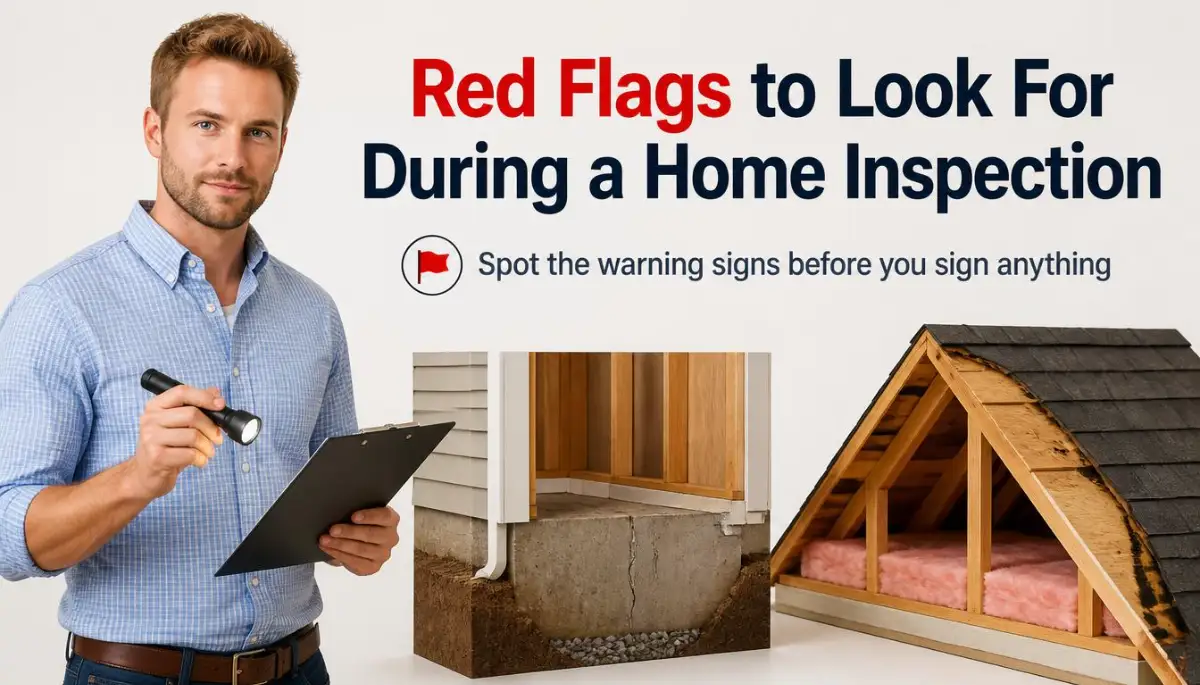
The Hidden Cracks in Your Dream: When Fresh Paint Covers Financial Ruin
Fresh paint and new carpet can hide a lot, including a foundation that's already failing. A home inspector can only evaluate what's visible during a short visit, which means serious structural and mechanical problems often slip through unnoticed. Here's exactly what to look for before you sign, so a beautiful staged home doesn't turn into a $15,000 surprise.
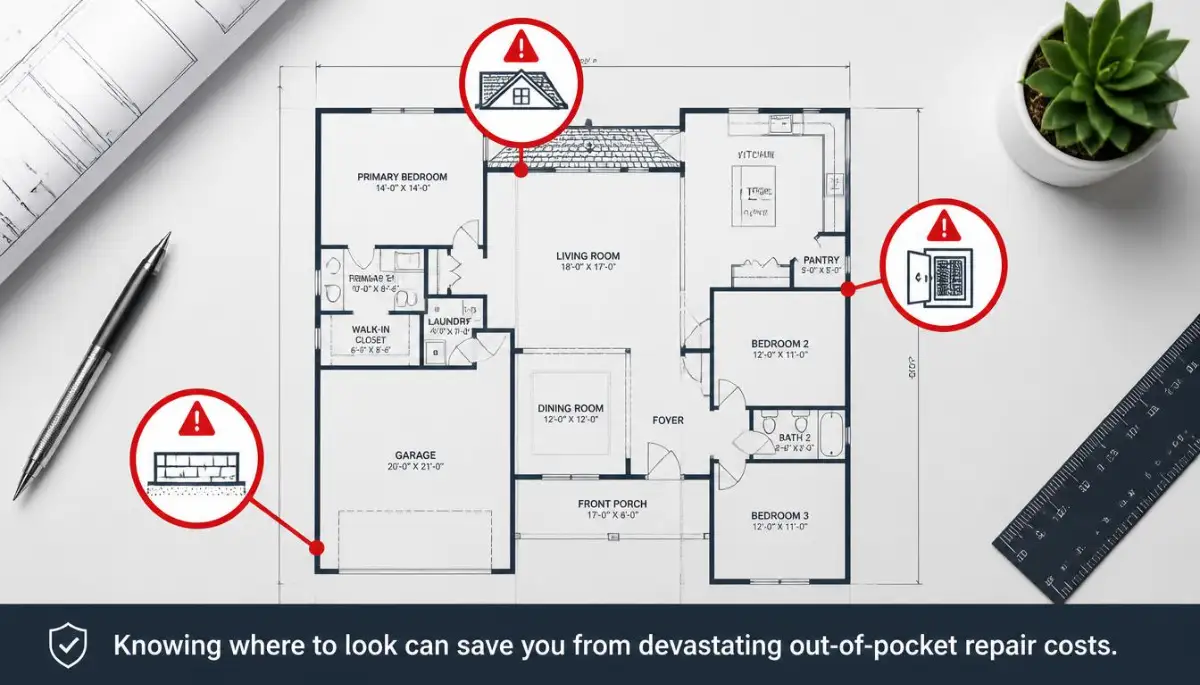
What a Standard Inspection Won't Catch
- General inspectors only check visible, accessible areas, underground sewer lines and hidden wiring often go unchecked.
- Horizontal foundation cracks signal soil pressure and are far more serious than thin vertical settling cracks.
- A sewer scope ($150-$300) can catch a problem that would otherwise cost $8,000+ to fix after move-in.
- Waiving your inspection contingency to win a bidding war can leave you paying for major repairs entirely out of pocket.
Sifting Through the Structure: Unmasking Hidden Property Defects
To protect your wallet, you must understand that a home inspector is not a magician who can see through solid brick.
They can only evaluate what is visible and easily accessible during their short visit to the property.
We need to look closely at the most important areas of a home so you can identify serious issues before they become your financial burden.
The Foundation Shield: Spotting Structural Settling and Failures
The foundation is the most critical part of any building, as it supports the entire weight of the structure above it.
If a foundation is cracked, shifting, or uneven, the entire house is at risk of serious structural damage.
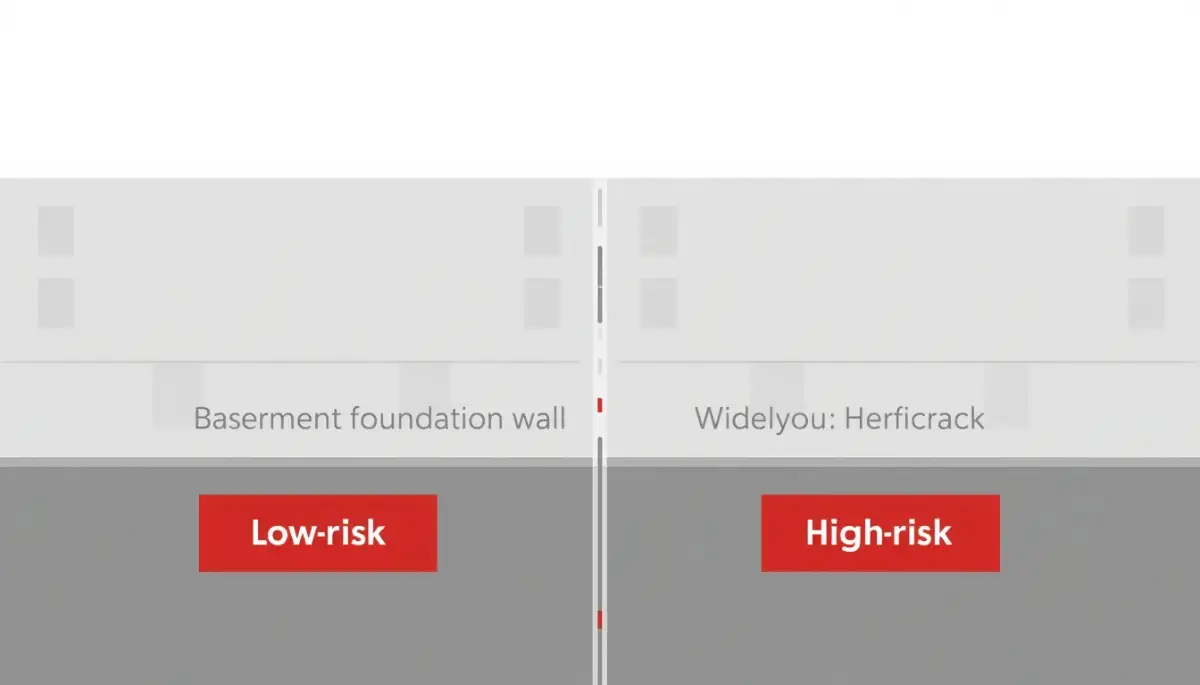
Look closely at the basement walls and the exterior concrete base for any cracks that are wider than a quarter of an inch.
Horizontal cracks in a concrete foundation are particularly dangerous, as they indicate that the surrounding soil is putting too much pressure on the wall.
You should also look at the soil surrounding the exterior foundation to ensure it slopes away from the house.
If the ground slopes toward the building, rainwater will pool around the base, slowly weakening the concrete and causing basement flooding.
Inside the living spaces, check if the floors feel uneven or if there is a noticeable slope when you walk across a room.
Doors and windows that stick or refuse to close smoothly are also classic warning signs that the house's frame is shifting.
Always ask your inspector to use a level tool to check the straightness of the walls and floors.
Q: I noticed one small hairline crack in my basement wall, should I panic?
A: Not necessarily. Thin vertical cracks under a quarter inch are often just normal concrete curing and settling, especially in homes over a few years old. Horizontal cracks, or any crack you can fit a coin into, are the ones that warrant a structural engineer's opinion.
The Roof and Attic Defense: Tracking Hidden Water Damage
Replacing a roof is one of the most expensive home improvement projects you can face as a homeowner.
A standard asphalt shingle roof only lasts about fifteen to twenty years before it needs to be completely replaced.
Ask your inspector to climb onto the roof to check for missing, curling, or cracked shingles.
Inside the attic, look closely at the wooden rafters and roof sheathing for any dark stains or white, powdery mold.
These stains are a clear indicator that water is slowly leaking through the shingles during heavy rainstorms.
You should also smell the air in the attic; a musty, damp odor is a strong sign of poor ventilation and hidden water damage.
Poor attic ventilation also causes heat to build up under the roof, which shortens the lifespan of the shingles.
Ensure there are active soffit and ridge vents to allow fresh air to circulate through the space.
If the attic is too hot, it will also drive up your summer cooling bills significantly.
Pro-Level Realization: Trusting Your Gut on Structural Signs
I once looked at a beautiful colonial house where the living room door would not close smoothly, and the owner told me it was just because of the humid weather. I later realized this was a classic sign of a shifting foundation, a massive mistake that would have cost me thousands of dollars to fix. My advice is to always trust your gut and investigate the structural base when something feels slightly off.
The Hidden Traps of Foundation and Structural Failures
Understanding how foundation settling affects the rest of the house is essential for any buyer.
Many cosmetic fixes, like new drywall, are used to cover up deep structural cracks that will reappear within a few months.
Want to see a real-world demonstration of what foundation cracks and bowing walls actually look like during an inspection? Watch this simple, expert-led video guide to protect yourself before reading about roof and attic warning signs below!
The Plumbing and Water Systems: Testing for Silent Leaks
Water is the single most destructive force that can enter your home, and minor leaks can cause massive damage over time.
Start by turning on all the faucets in the bathrooms and kitchen at the exact same time to test the water pressure.
If the water flow drops to a slow trickle, it indicates that the pipes are clogged with mineral buildup or have a serious leak.
Look under every sink with a flashlight to check for damp wood, active drips, or old water stains on the bottom of the cabinets.
You should also check the age of the water heater, as these units usually only last about ten years before failing.
If you see rust or water pooling around the base of the heater, it is a sign that the tank is rusting from the inside.
If the home has a private septic system, always hire a separate specialist to perform a septic tank inspection.
Replacing a damaged septic system can easily cost ten thousand dollars or more, making it a critical area to verify.
Never take the seller's word that the system has been pumped recently; request official receipts to prove it.
Myth vs. Reality: Home Inspection Expectations
| Common Buying Belief | The Cold Real Estate Reality |
|---|---|
| A passed home inspection guarantees the house is free of problems. | Inspections only cover visible areas; hidden pipes, wiring, and beams go unchecked. |
| The seller must legally repair every issue found in the report. | Sellers aren't obligated to fix anything, repairs must be negotiated before closing. |
| You can trust an inspector recommended by the seller's agent. | Some agents recommend lenient inspectors to keep the sale moving without delays. |
The Electrical Grid: Identifying Outdated and Dangerous Wiring
Outdated electrical systems are a major fire hazard and can make a home virtually uninsurable.
Start by checking the main electrical panel to see if it uses old-fashioned fuses instead of modern circuit breakers.
You should also check the brand of the panel, as some older panels are prone to overheating and failing to trip.
Look closely at the outlets in the kitchen and bathrooms to ensure they are fitted with Ground Fault Circuit Interrupter (GFCI) buttons.
These safety outlets are designed to instantly cut off the power if water enters the plug, preventing dangerous shocks.
If these safety features are missing, it indicates that the electrical work was done without a permit.
You should also ask your inspector to check for outdated wiring types, such as knob-and-tube or aluminum wiring.
Aluminum wiring was common during certain decades and is prone to loosening at the connections, creating a serious fire hazard.
If the home has aluminum wiring, you may need to budget for a complete electrical rewire.
Typical Repair Costs: Cosmetic vs. Structural Issues
To help you understand the real financial impact of these issues, let us compare the typical repair costs of common home problems:
| Property Issue | Cosmetic Correction Cost | Deep Structural / Systemic Cost | |---|---|---| | Foundation Cracks | $500 (patching visible cracks with sealant) | $15,000+ (installing steel push piers) | | Roof Problems | $300 (replacing a few damaged shingles) | $12,000+ (complete roof tear-off and replacement) | | Electrical Upgrades | $150 (installing new GFCI safety outlets) | $8,000+ (upgrading the main electrical panel) | | Plumbing Failures | $200 (fixing a leaky faucet under the sink) | $10,000+ (replacing old copper and sewer lines) |
The HVAC System: Testing the Heating and Cooling Units
A failing furnace or air conditioning unit can cost you thousands of dollars to replace soon after you move in.
Ask your inspector to run both the heating and cooling systems, even if the weather outside is mild.
Listen closely to the sound of the furnace when it turns on; loud banging or rattling noises are signs of mechanical failure.
Check the air filter to see if it is clogged with thick dust, which indicates that the system has been neglected for years.
You should also look at the exterior air conditioning compressor unit for any signs of rust or bent cooling fins.
If the compressor is old, it will use outdated refrigerants that are incredibly expensive to refill.
Always ask the seller for the service records of the heating and cooling systems to ensure they have been maintained annually.
If the system has not been serviced in years, factor the cost of a professional HVAC tune-up into your purchase offer.
A well-maintained system will keep your energy bills low and extend the life of your equipment.
Avoiding the Trap of Homeowner Neglect
Now that we have covered the major structural and mechanical systems, let us focus on some smaller but important warning signs.
These issues are often overlooked by buyers who are focused on the layout of the kitchen or the size of the backyard.
Paying attention to these details can save you from buying a house that requires constant, expensive maintenance.
Look closely at the window frames for any signs of wood rot, especially around the exterior sills.
If the wood is soft or flaking, water has entered the frame, which will eventually damage the surrounding drywall.
You should also check if the window panes are foggy, as this indicates that the double-pane seal has failed, reducing your energy efficiency.
Check the grading of the yard around the entire perimeter of the house to ensure water does not pool near the walls.
If the ground slopes toward the building, rainwater will seep into the basement, causing mold and structural damage.
A properly graded yard is your first line of defense against water damage, so never ignore this simple detail.
Your Pre-Signing Inspection Checklist
Before you sign the final purchase papers, take ten minutes to run through this simple checklist with your inspector:
- Check the foundation cellar walls for any horizontal cracks wider than a quarter of an inch.
- Verify that the exterior ground slopes away from the foundation on all sides of the house.
- Inspect the attic rafters for any dark water stains, soft wood, or white mold growth.
- Turn on multiple faucets at the same time to test the water pressure and flow.
- Look at the main electrical panel to ensure it uses modern circuit breakers instead of old fuses.
- Check the kitchen and bathroom outlets to verify that GFCI safety buttons are installed.
- Ask the seller for the annual service records of the furnace and air conditioning systems.
By running through this checklist, you show the seller that you are an informed buyer who knows how to spot hidden defects.
A reputable seller will have no problem providing these records and allowing your inspector to check these critical areas.
If they try to rush the process, view it as a warning sign and protect your hard-earned money.
Next-Level Defenses: How to Protect Your Wallet Against Undetected Home Failures
When you are going through a standard home purchase, relying entirely on a general inspector is a major risk.
A general inspector is a generalist who checks the basic, visible systems of a house in a few short hours.
To protect your wallet, you must adopt an active, expert-level auditing plan before you finalize your contract.
One of the most powerful moves you can make is to hire specialized inspectors for critical, high-risk areas.
A general home inspector will look at your toilets and sinks, but they cannot see the condition of the underground main sewer line.
Tree roots, shifting soil, and aging materials can cause these hidden pipes to crack or collapse entirely.
To protect yourself from this silent disaster, always request a dedicated sewer scope inspection.
A specialist will run a flexible camera line directly through your main sewer pipe all the way to the city connection.
This test costs a small fee but can save you from a ten-thousand-dollar excavation bill shortly after moving in.
A sewer scope inspection typically runs $150 to $300. Compare that to the average cost of an emergency sewer line replacement, often $8,000 to $15,000 depending on yard size and pipe depth, and that small upfront fee starts looking like one of the cheapest insurance policies you'll ever buy.
According to standard guidelines provided by the American Society of Home Inspectors standards of practice, general inspections do not cover underground utilities.
This is why active, self-directed testing is your best defense against these unseen infrastructure failures.
It keeps you from buying a property with a ticking plumbing time bomb buried right beneath your front yard.
Thermal Imaging: Unmasking Hidden Heat and Moisture
Another advanced strategy is to request a thermal imaging scan of the interior walls and the main electrical panel.
A thermal camera detects tiny temperature differences, exposing hidden problems behind the drywall without causing any damage.
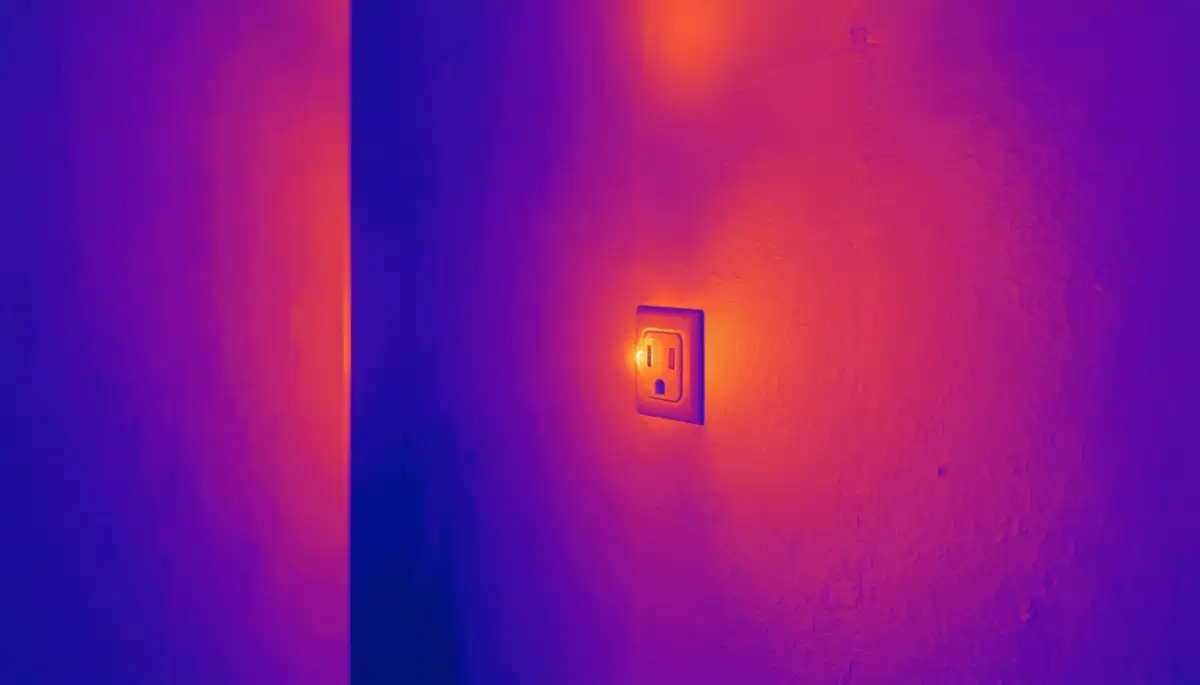
It can spot active moisture leaks from upstairs bathrooms or hidden roof failures that have not yet stained your ceiling.
A thermal scan is also highly effective at detecting electrical hotspots inside your walls and service panels.
Overloaded circuits, loose wiring connections, and failing breakers generate unusual heat that standard visual inspections miss.
Learning how home wiring affects appliances is a great way to understand how poor electrical installation can ruin your electronics over time.
Having a clear picture of what is happening inside the walls prevents you from facing dangerous fire hazards later.
It ensures that your new home is physically safe and mechanically sound before you spend your savings.
Pro-Level Tip: Check the Local Property History
Before you sign any papers, check the local municipal permit history for the property. I once looked at a house with a beautifully finished basement, but the owner could not provide any official building permits for the work. I realized that if the local building department discovered this unpermitted work, I would have been forced to tear out the drywall at my own expense. Always protect your wallet by verifying that every major home renovation has been officially inspected and signed off by the city.
Evaluating Environmental and Insulation Performance
You must also consider how the home is insulated and protected against extreme seasonal weather conditions.
Poor insulation in the attic or old, drafty window seals can drive your monthly heating and cooling bills to painful heights.
Ask your inspector to check the R-value of the attic insulation and verify that the crawl space has a proper vapor barrier.
Understanding how environmental factors affect home performance can help you evaluate how the house will handle freezing winter conditions.
If the home has poor insulation, your heating system will have to run constantly, putting massive mechanical strain on your equipment.
Always look for energy-efficient features to ensure your monthly utility bills remain reasonable and predictable.
You should also check the age and condition of the exterior siding and trim for any signs of wood rot.
If the exterior paint is peeling or the caulking around the windows is cracked, water has likely entered the wood.
Over time, this moisture will cause the frame to rot, leading to expensive structural repairs.
Ensuring your home is fully protected against the elements is also key to securing affordable insurance rates.
When shopping for coverage, take the time to look at evaluating home insurance coverage limits to protect your investment.
A well-protected house is much easier and cheaper to insure, saving you money on your monthly premiums.

Silent Landmines: The Overlooked Mistakes That Blind Home Buyers
When we are excited to purchase our dream home, our emotions can easily cloud our logical decision-making.
Lenders, sellers, and real estate agents often use this emotional excitement to push the deal through as fast as possible.
Recognizing these psychological traps is key to maintaining your financial safety during the buying process.
The Illusion of the Seller's Disclosure
The most common mistake buyers make is trusting the seller's written disclosure forms without verifying the details.
A seller might write that they have never experienced any basement flooding or major plumbing leaks.
However, they are only legally required to disclose problems they are actively aware of during their ownership.
If a pipe has been slowly leaking behind a wall for years without causing a visible stain, they might honestly write "no leaks."
Always remember that a disclosure form is a historical record, not a guarantee of the home's current physical health.
Use your professional inspection report as your primary shield, and never rely on verbal promises or old disclosures.
Skipping the Inspection to Win a Bidding War
In a highly competitive real estate market, some buyers choose to waive their inspection contingency to make their offer look more attractive.
While this might help you win the bidding war, it is one of the most dangerous financial choices you can make.
It is exactly like buying an expensive used car with your eyes closed, hoping that the engine runs perfectly under the hood.
If the house has major foundation damage or outdated electrical wiring, you will be forced to pay for those repairs out of pocket.
To protect your budget, make sure you are identifying hidden personal loan fees before you borrow money to cover unexpected home repairs.
Avoid the temptation to rush your purchase, and always keep your inspection contingency in your contract.
If you do not have a solid financial cushion, even a minor home repair can throw your budget into a tailspin.
This is why understanding the true cost of credit card interest is so important when managing your household debts.
A high-interest debt loop can quickly erase your hard-earned progress toward financial independence.
Treating the Inspection Report as a Final Deal-Breaker
Some buyers panic when they receive their home inspection report and see thirty different issues listed on the pages.
They assume that the house is a complete disaster and immediately walk away from the transaction.
In reality, almost every inspection report will have a long list of minor, cosmetic problems.
Your goal is to focus on the major structural, mechanical, and safety issues that cost thousands of dollars to fix.
You can use the minor issues as a negotiating tool to request a repair credit or a price reduction from the seller.
This process is very similar to disputing denied insurance claims to resolve financial disagreements with your insurer.
Work with your real estate agent to write a clear, reasonable amendment requesting that the seller fix the major issues before closing.
Most sellers are willing to negotiate these repairs to keep the transaction moving forward smoothly.
Do's and Don'ts for Navigating a Home Inspection
- Do attend the inspection in person so you can ask the inspector questions and see the issues with your own eyes.
- Do hire specialized inspectors to check the sewer lines, pool equipment, and radon levels if the house has them.
- Don't let the seller's real estate agent recommend an inspector, as they might have a conflict of interest.
- Don't ignore minor warning signs like water stains under a sink; they are often indicators of larger problems.
Neglecting the Threat of Environmental Toxins
Another serious mistake is ignoring the invisible dangers of radon gas, mold, and lead-based paint.
Radon is a naturally occurring radioactive gas that can seep into your basement through foundation cracks.
According to safety guidelines from the Environmental Protection Agency advice on indoor air hazards, radon is a leading cause of lung cancer in non-smokers.
Always ask your inspector to perform a dedicated radon test, especially if the home has a full basement or crawl space.
If the radon levels are high, you will need to install a radon mitigation system to protect your family's health.
This system uses a simple fan and pipe to safely vent the gas out of your home.
You should also check the age of the house to see if it was built during decades when lead-based paint was common.
If the home has older paint layers, ensure they are fully covered by fresh, lead-free paint to prevent dangerous lead dust from forming.
According to safety alerts from the Consumer Product Safety Commission guidelines on home wiring, older home materials require careful handling to avoid health hazards.
Your Home Protection Blueprint: Tomorrow's Action Plan
To wrap things up, protecting your personal finances during a home purchase requires you to pay close attention to details.
The small, hard-to-find defects are where your hard-earned savings are either protected or lost.
You do not have to let hidden property defects ruin your dream of owning a home.
Your Immediate Inspection Checklist
Here is a simple, concrete plan you can put into action starting tomorrow morning:
- Review Your Contract: Ensure your purchase contract includes a clear, standard home inspection contingency clause.
- Hire Your Specialist: Contact a dedicated sewer scope technician to inspect the underground main line.
- Request a History Report: Ask your real estate agent to provide a comprehensive municipal permit history report for the property.
- Plan Your Attendance: Block out three hours on your calendar to attend the home inspection in person with a notepad.
- Prepare Your Questions: Write down your specific questions about the foundation, roof age, and electrical safety for your inspector.
By taking these small, deliberate steps, you are shifting from a passive buyer to an active manager of your home purchase.
You will feel a deep sense of confidence knowing that your family's future home is safe from silent structural decay.
Taking charge of your home purchase is an indispensable step to building a peaceful, secure life.
I still remember the feeling of relief when I finally found a home with a completely dry basement, a strong foundation, and up-to-date permits.
Let us take action tomorrow morning, hire the right specialists, and build a solid shield around our largest investment.
Critical Questions Every Home Buyer Asks
How much does a standard home inspection cost?
A standard home inspection usually costs between three hundred to six hundred dollars, depending on the size of the house. Specialty tests like sewer scopes, radon testing, or mold assessments will add extra to the total cost.
Should I attend the home inspection in person?
Yes, you should absolutely attend the home inspection in person so you can see the issues with your own eyes. It allows you to ask the inspector direct questions about the severity of the problems and how to maintain the systems.
What are the most common deal-breakers in an inspection?
The most common deal-breakers are major structural foundation failures, completely failed roof structures, and widespread water damage. Outdated, dangerous electrical systems and failed septic tanks are also very expensive to fix.
Can a home fail its professional inspection?
No, a home cannot technically fail a home inspection, as there is no passing or failing grade. The report is simply a detailed evaluation of the home's current physical condition to help you negotiate repairs.
Disclaimer:
This article is for general informational and educational purposes only and does not constitute professional real estate, insurance, legal, or home construction advice. Property conditions, local regulations, and building codes vary greatly by region and municipality. Always consult with a licensed, independent home inspector or a qualified real estate attorney before making major decisions regarding property purchases or home construction contracts.