

The Walkthrough That Almost Fooled Me Completely
A brown ceiling stain, a polite nod, and a soggy drywall bill six months later.
That is how my first home inspection ended, and it all started with one question I was too shy to ask. The stain was in the inspector’s report the whole time. Here is what I check now before I sign anything.
If you're getting ready to walk through a home with an inspector, or you're reading an inspection report right now with a worried feeling in your stomach, I understand that feeling completely. Houses are good at hiding their problems until you already own them.
The good news is that most serious issues leave small clues behind. You just need to know what you're looking at, and what questions to ask out loud instead of just nodding along.
The worry doesn’t stay in the house. It follows you to work, into family conversations, and into every evening you spend wondering if you made a mistake
Your 60-Second Inspection Cheat Sheet
- Look at the bones first. Check the foundation, roofline, and grading before you admire the paint.
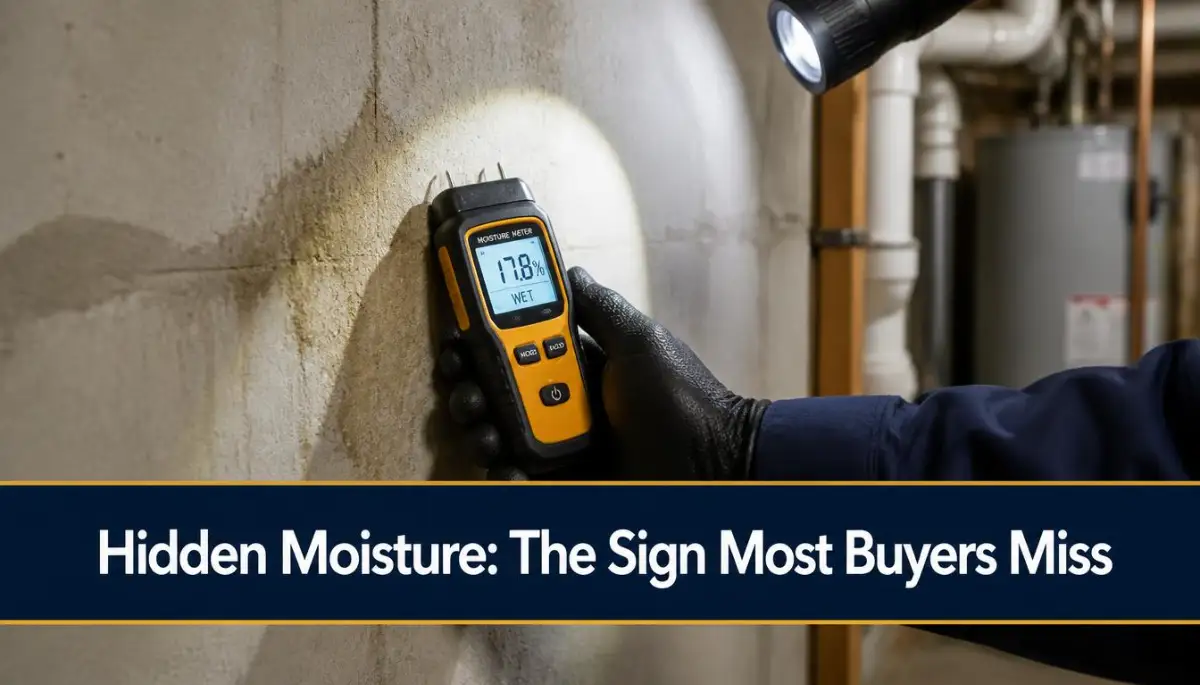
- Chase moisture. Stains, musty smells, and soft spots are clues, so always ask if the problem is active or old.
- Ask about age and severity. “Working today” is not the same as “will last,” so get installation ages for the big systems.
- Get a specialist for big findings. Foundation, wiring, or roof worries deserve a structural engineer or licensed electrician.
Reading the House Like an Inspector Reads It
Here's something that surprised me once I learned it. Inspectors aren't looking for perfect houses. No house is perfect, and a few small flaws are completely normal.
What they're really doing is separating cosmetic issues from structural or safety issues. A scuffed wall is cosmetic. A cracked foundation is not. Learning to tell these two apart is the entire skill.
Start With the Bones, Not the Paint
Fresh paint and new carpet are easy to notice, and sellers know it. That's exactly why you shouldn't let them distract you from the parts of the house you can't see at first glance.
Walk the perimeter of the house outside before you even step in. Look at the foundation line where it meets the ground. Cracks wider than a quarter-inch, or cracks that run diagonally instead of straight down, deserve a closer look.
The American Society of Home Inspectors explains that standard home inspections cover the structure, roof, plumbing, electrical, and major systems, but they are visual only, meaning inspectors don't cut into walls or move furniture. That's an important thing to know going in, because it means some problems simply can't be found without extra tools.
The Moisture Trail Nobody Talks About Enough
Water is the single biggest threat to a house, and it almost never announces itself loudly. It shows up quietly, in small stains and faint smells, long before it becomes a flooded basement.
Watching how a professional traces a moisture problem from a small stain back to its real source makes this so much easier to understand. Check out the walkthrough below, then keep reading for the exact spots to check yourself.
Where Water Likes to Hide
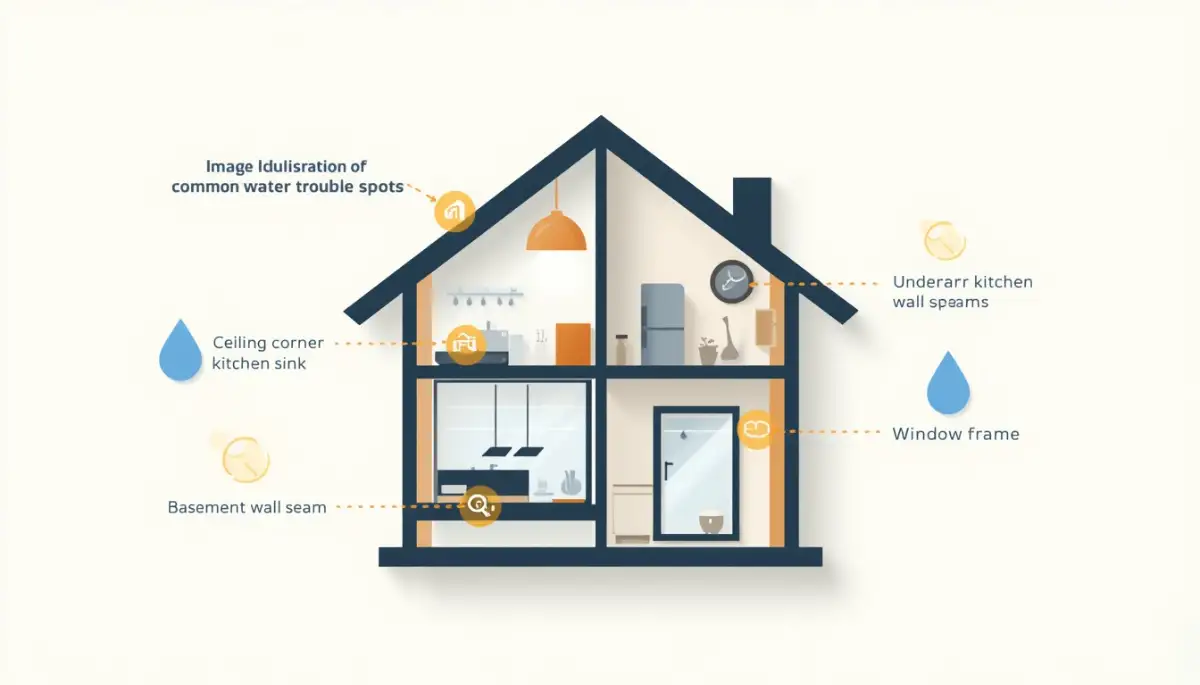
Check these spots every single time, even in a house that smells clean:
- Ceiling corners and around light fixtures, where roof leaks often travel before dripping
- Under sinks and around toilets, where small leaks can run for months unnoticed
- Basement corners and along the floor-wall seam, where groundwater seeps in slowly
- Around window frames, where failed seals let rain in over time
A musty smell is often a bigger clue than a visible stain. If a room smells different from the rest of the house, trust your nose and ask about it directly.
My Own Costly Blind Spot
Looking back at my own ceiling stain story, here's what I wish I had done differently. I wish I had simply asked, "Is this moisture active right now, or is it old and dried?" That one sentence would have sent the inspector back with his moisture meter, and I would have known the truth before signing anything.
Don't be afraid to ask a question twice, in plainer words, if the first answer sounds like it's dodging the point. A good inspector will not mind at all.
The Panel That Decides Your Safety
Open the electrical panel, or ask the inspector to walk you through it while it's open. You're looking for a few specific things, and none of them require an electrician's license to notice.
Watch for these warning signs:
- Burn marks or a scorched smell near the breakers
- Wires that look old, frayed, or spliced together with tape
- A panel brand your inspector flags as recalled or outdated
- Double-tapped breakers, meaning two wires crammed into one slot
The U.S. Consumer Product Safety Commission has published safety guidance noting that faulty wiring and overloaded circuits are a leading cause of residential fires. An outdated panel isn't automatically dangerous, but it's worth a second opinion from a licensed electrician before you treat it as a minor detail.
Myth vs. Reality on Home Inspections
A few beliefs about inspections tend to cause real trouble. Here's where they go wrong.
| Myth | Reality |
|---|---|
| "A clean inspection report means a perfect house." | Inspections are visual and limited in scope. Hidden issues inside walls can still exist. |
| "Small cracks in drywall always mean foundation trouble." | Most drywall cracks are from normal settling and are purely cosmetic. |
| "If the inspector didn't mention it, it's not a problem." | Inspectors list what they can see. Ask directly about anything that worries you. |
| "New construction doesn't need an inspection." | New homes can still have installation mistakes, especially around plumbing and grading. |
Reading the Roof From the Ground
You don't need to climb a ladder to learn something useful about the roof. Stand back on the sidewalk and look at the roofline from a distance.
A sagging ridge line, missing shingles, or shingle granules collecting in the gutters are all signs of a roof nearing the end of its life. Ask directly how many years the inspector thinks are left, not just whether it's "fine for now."
Typical Lifespans: Plan Your Budget Early
| System | Rough lifespan |
|---|---|
| Asphalt shingle roof | 20 to 30 years |
| Water heater (tank) | 8 to 12 years |
| Furnace | 15 to 20 years |
| Central air conditioner | 12 to 17 years |
These are general ranges. Climate, care, and installation quality can move them up or down, so ask the inspector for a real estimate on the home you are buying.
A Quick Scenario Worth Remembering
Picture a couple named Marcus and Elena touring a charming older home. The kitchen is beautiful, the yard is perfect, and they're already picturing furniture in the living room.
Their inspector points out a hairline crack above a doorway and calls it normal settling. But he also mentions that two doors on the second floor don't close evenly anymore.
Instead of brushing it off, Elena asks, "Could these two things be connected?" That question leads the inspector to check the foundation more closely, where he finds a slow settling issue that needs a structural engineer's opinion. They didn't walk away from the house, but they did renegotiate the price with real numbers in hand.
Your On-Site Red Flag Checklist
Keep this list on your phone and run through it during the walkthrough:
- Check the foundation line outside for wide or diagonal cracks
- Smell for mustiness in basements, bathrooms, and closets
- Open the electrical panel and look for burn marks or loose wiring
- Look at the roofline from a distance for sagging or missing shingles
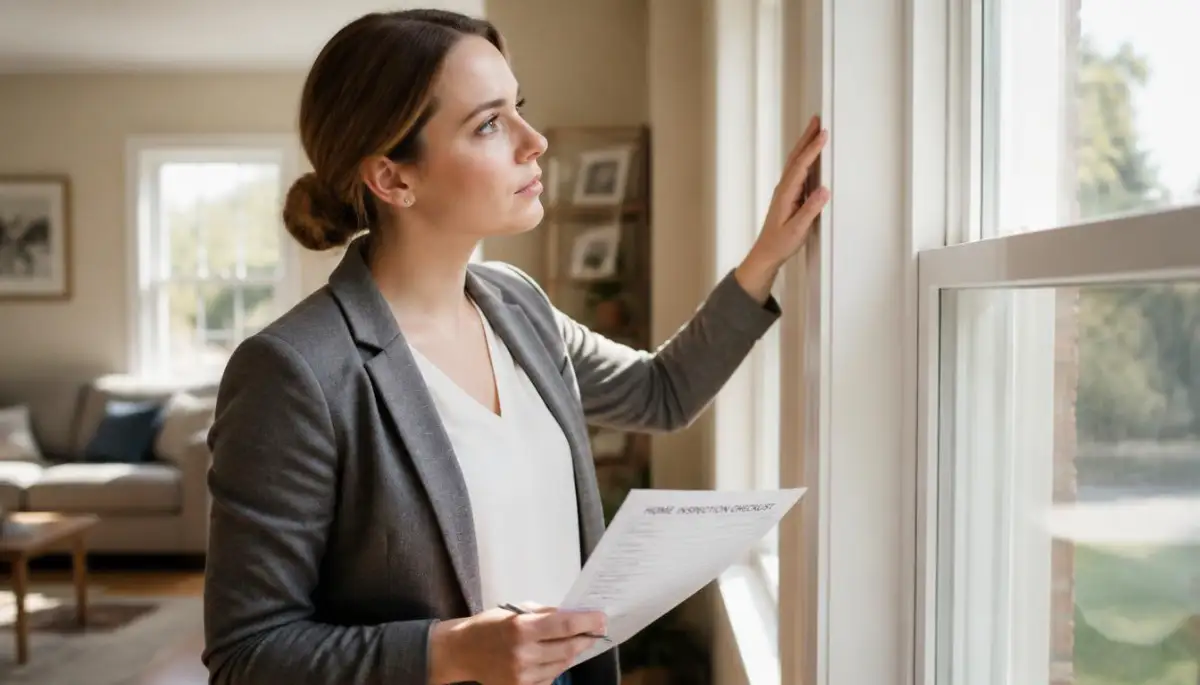
- Test doors and windows upstairs to see if they close evenly
- Ask directly whether any issue is active or old, cosmetic or structural
The Questions That Separate a Smart Buyer From a Nervous One
Knowing where to look is only half the job. Knowing what to ask out loud is the other half, and it's the part most people skip because they feel awkward doing it.
Ask the inspector to explain severity, not just presence. "There's cracking in the garage slab" means almost nothing on its own. Follow up with, "Is this getting worse, or has it been stable for years?" That one question changes everything about how you should react.
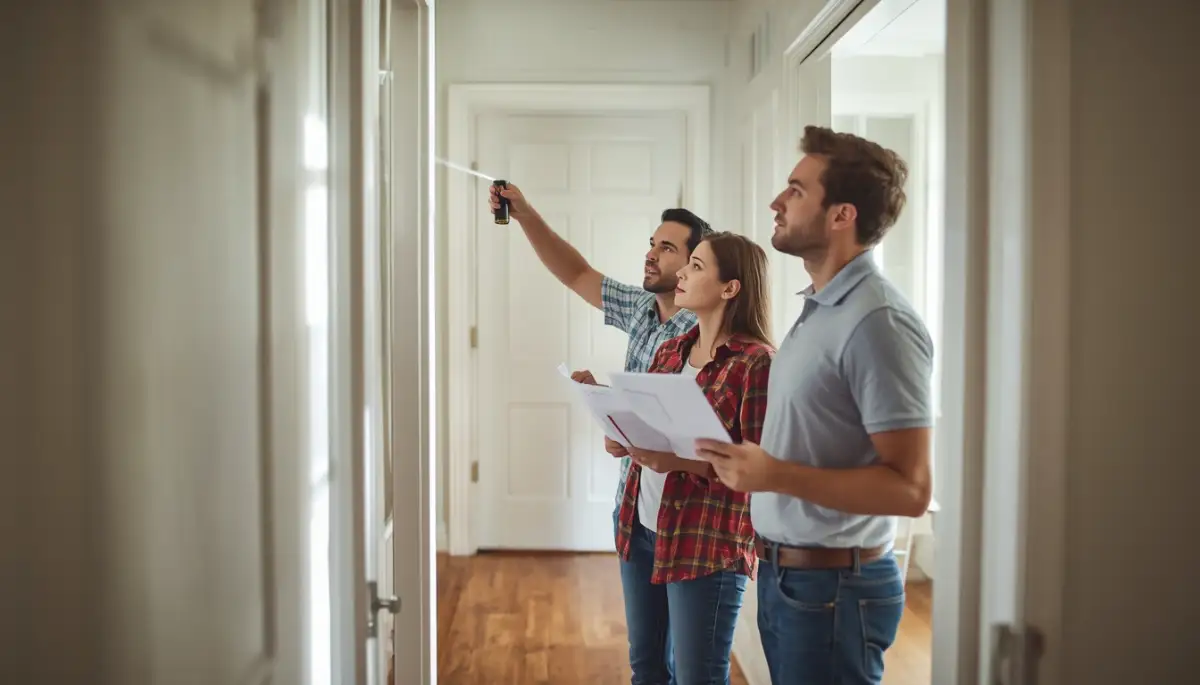
Bring Your Own Flashlight and Use It
Inspectors move fast, and they cover a lot of ground in a short visit. You can slow things down in the best way by bringing a small flashlight and checking corners yourself while they talk.
Shine it along baseboards in the basement. Shine it inside closets on exterior walls. A flashlight catches shadows and stains that overhead lighting hides completely.
I started doing this on my second house search, after the ceiling stain mistake taught me a hard lesson. It takes maybe two extra minutes per room, and it's caught things I would have otherwise walked right past.
Learn to Ask About Age, Not Just Condition
Every major system in a house has a rough lifespan. A roof, a water heater, an HVAC system, they all wear down on a schedule, even if they look fine today.
Ask the inspector or seller for the installation age of these systems, not just whether they're "working." A furnace that's eighteen years old and running fine today is still a furnace you should budget to replace soon.
Request the Seller's Disclosure Before the Walkthrough
In many places, sellers are legally required to disclose known issues with the property before a sale closes. Read this document closely, and bring any questions it raises straight to the inspection.
If something in the disclosure doesn't match what you see during the walkthrough, that gap is worth asking about directly. Sellers don't always remember every past repair, and sometimes an old fix was done poorly and never mentioned again.
Treat the Grading Around the House as Part of the Inspection
Look at how the ground slopes near the foundation. It should slope away from the house, not toward it.
If rainwater has nowhere to go but straight at the foundation wall, that's a slow, steady threat to the basement, even if everything looks dry on inspection day. This is one of those silent warning signs that a home has serious issues hiding behind an otherwise beautiful yard.
When Excitement Talks Buyers Out of Asking Hard Questions
I've watched this happen to friends, and honestly, it almost happened to me too. You walk into a home, fall in love with the kitchen or the backyard, and suddenly every red flag feels smaller than it actually is.
Letting the Listing Photos Set Your Expectations
Great photos create a story in your head before you even arrive. Once that story is in place, your brain starts looking for reasons to confirm it instead of reasons to question it.
Walk in assuming nothing. Let the inspection, not the photos, tell you what the house is really like.
Skipping the Inspection on "Newer" Homes
A lot of buyers assume a home built within the last decade doesn't need a full inspection. This is one of the most expensive assumptions in home buying.
Builders rush, subcontractors make mistakes, and newer homes can have plumbing or grading errors just like older ones. Skipping this step to save a few hundred dollars can cost tens of thousands later if something was installed wrong from day one.
Treating the Inspector Like a Decision-Maker Instead of an Advisor
Here's something people get backwards all the time. The inspector's job is to tell you what they see. Your job is to decide what it means for your offer.
If an inspector lists ten issues and you freeze up, remember that most of them are probably minor. Ask which ones genuinely matter for safety or structure, and which ones are just routine maintenance every house needs eventually.
Quick Sorting Trick: After I get a report, I make three piles on paper: Safety (fix before closing), Big money (negotiate the price), and Routine (budget over time). On my second house, a long scary list shrank to two real piles, and I knew exactly what to bring to the table.
Not Getting a Second Opinion on Serious Findings
If the inspector flags something major, like foundation movement or old wiring, don't treat their general note as the final word. Bring in a specialist, like a structural engineer or a licensed electrician, for anything that sounds expensive or dangerous.
A general home inspector looks at hundreds of systems in a few hours. A specialist spends their whole career on just one of them, and that depth matters when real money is on the line.
Rushing Because of a Tight Closing Deadline
Competitive housing markets push buyers to skip steps to move faster. This is understandable, but it's also where the most painful mistakes happen.
A rushed inspection is barely better than no inspection at all. If a seller won't give you reasonable time to review findings and ask questions, that itself is worth paying attention to.
A Quick Q&A on Negotiating After a Rough Report
Q: The inspection found real problems. Does that mean I should walk away?
A: Not necessarily. Many buyers use inspection findings to negotiate a lower price or ask the seller to make repairs before closing.
Q: What if the seller refuses to fix anything?
A: You can still move forward if the price reflects the repair costs, or you can walk away if the numbers don't work for you. Either choice is reasonable.
Q: Is it normal to feel discouraged after a long list of findings?
A: Completely normal. Most lists look scary at first glance, but a lot of items are small and routine once you separate them from the serious ones.
Your Final Walkthrough Confidence Plan
You've got the method now. Check the bones before the paint, trace moisture back to its source, and ask about age and severity instead of just nodding along.
None of this requires special training. It just requires slowing down and asking one more question than feels comfortable.
Here's what I'd suggest doing at your next walkthrough:
- Bring a flashlight and check corners yourself
- Ask for installation ages on the roof, water heater, and HVAC system
- Request the seller's disclosure before the inspection, not after
- Follow up on every finding with "is this active or old, minor or serious"
My ceiling stain mistake turned into the best lesson I ever got about buying a home. Now I walk into every inspection asking questions out loud instead of just writing things down quietly, and it has saved me real money more than once. Try asking just one extra question at your next walkthrough, and see how much calmer you feel afterward.
Common Questions About Home Inspection Red Flags
How long does a typical home inspection take?
Most inspections run between two and four hours, depending on the size of the house. Larger or older homes with more systems to check can take longer, so build extra time into your schedule.
Can I walk away from a deal after a bad inspection report?
In most cases, yes, if your contract includes an inspection contingency. This clause typically lets you renegotiate, request repairs, or cancel the deal within a set window after the report comes in.
Do small cracks in the walls always mean foundation problems?
Not usually. Most hairline cracks come from normal house settling and temperature changes, and they're purely cosmetic. Wide, diagonal, or stair-step cracks are the ones worth asking a professional about.
Should I attend the inspection in person?
It's one of the best things you can do as a buyer. Being there lets you ask questions in real time, see issues firsthand, and understand the inspector's reasoning instead of just reading it later in a report.
What happens if the seller's disclosure doesn't match what the inspector finds?
Bring the gap up directly with your agent or the seller's side. It might be an honest oversight, but it's worth getting a clear answer in writing before you move forward.
Disclaimer: This article is for general information and education only. It is not professional inspection, engineering, or legal advice, and inspection standards and disclosure laws vary by location. For any serious or safety-related finding, please consult a licensed home inspector, structural engineer, or qualified real estate professional in your area.
