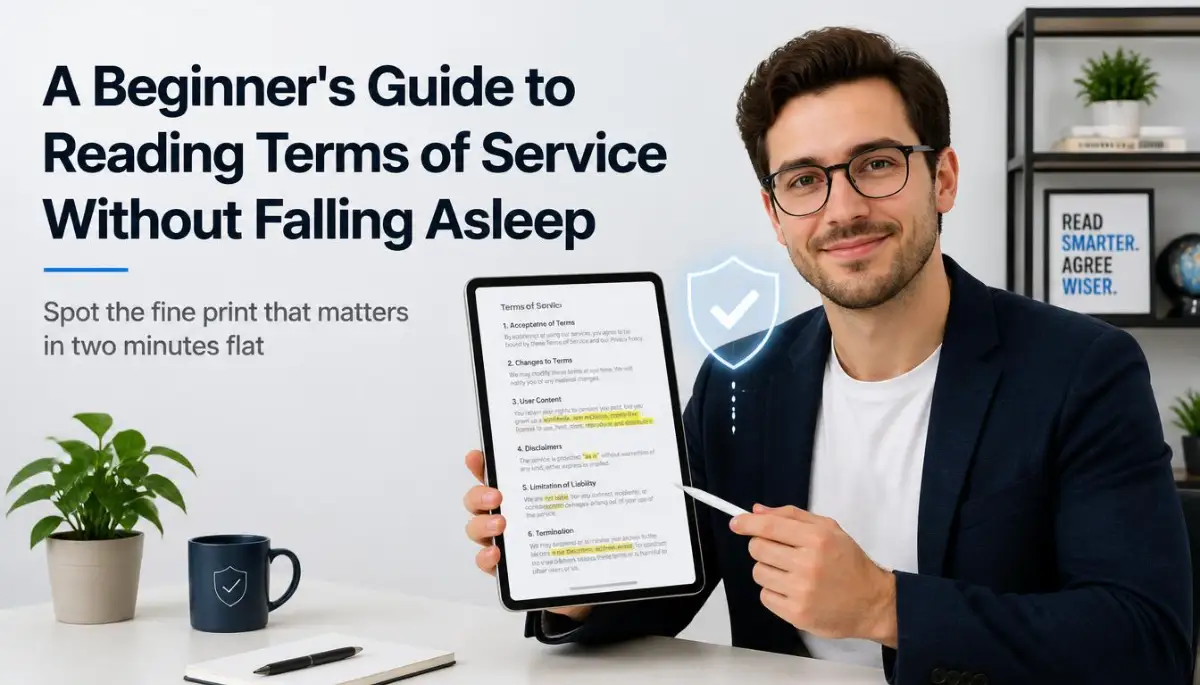
The Clause I Skipped Past Without Thinking Twice
A vendor contract landed on my desk a few years back, and I skimmed straight past a paragraph that started with the word "indemnification." I had no idea what it meant, and honestly, I didn't feel like looking it up at the time.
My business partner and I were excited about the deal, the numbers looked good, and we just wanted to get moving. I told myself the lawyers who wrote it probably knew what they were doing, and that was good enough for me.
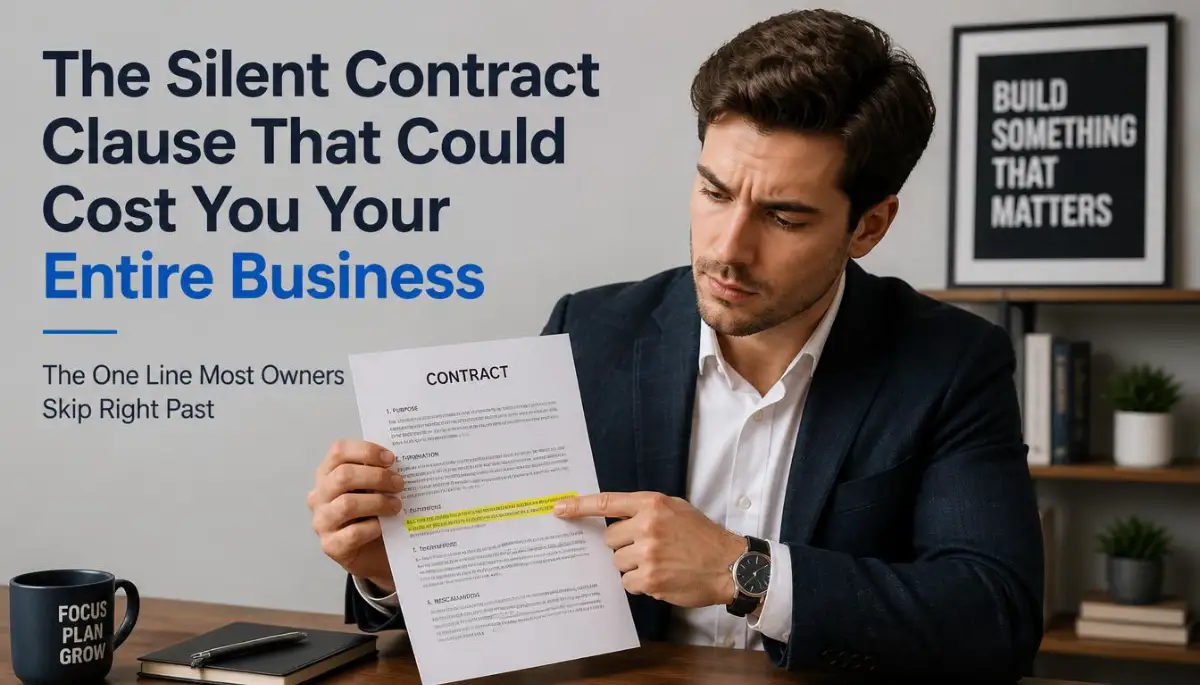
Eighteen months later, a customer got hurt using a product our vendor supplied, and I got a letter demanding that my company cover the vendor's legal costs. I sat there rereading that same paragraph I had skipped, and my hands were actually shaking by the time I finished it.
That clause I never bothered to understand had quietly agreed to protect the vendor from lawsuits, using my business as the shield.
If you've ever signed a contract fast because you trusted the other side, or because reading every line felt exhausting, you're not alone. Most business owners do this constantly, and most of the time, nothing bad happens.
But every so often, one buried sentence turns into the difference between a smooth year and a financial disaster.
You didn't get into business to become a legal expert. You wanted to build something, serve customers, and make a living doing work you care about.
The problem is that some clauses don't announce themselves. They sit quietly in dense legal language, using words that sound harmless until you're the one dealing with the consequences.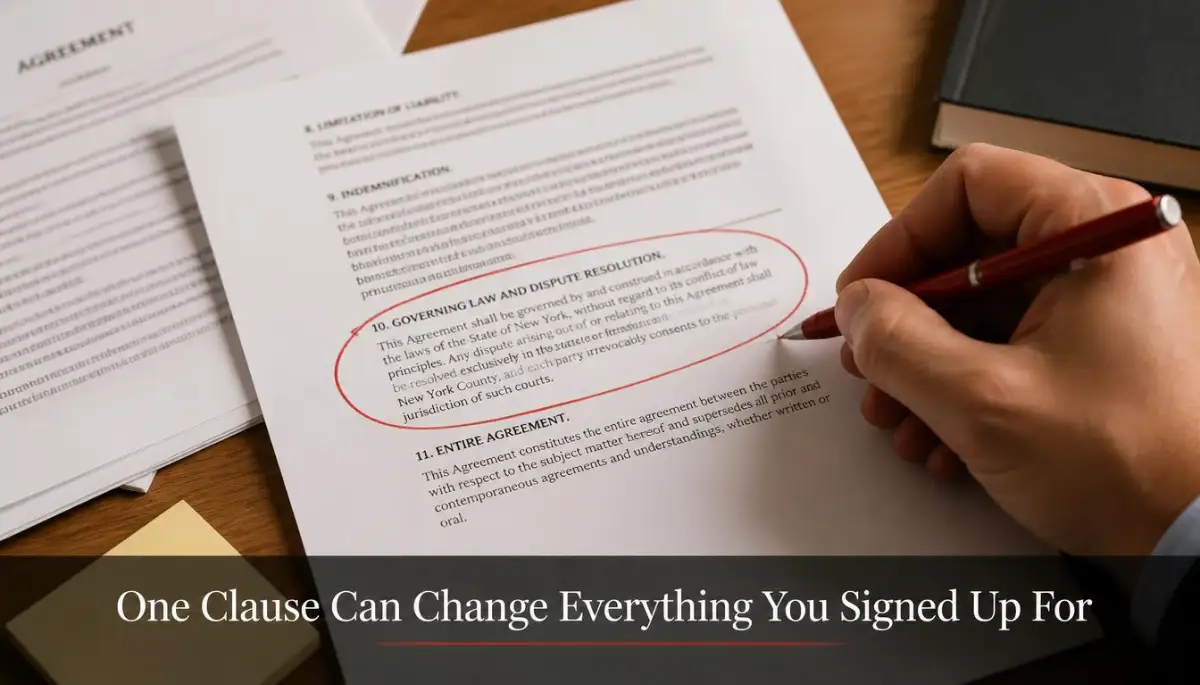
What to Check Before You Sign Anything
- Watch for "indemnify," "hold harmless," "sole discretion," and "in perpetuity", these words often shift risk heavily onto you.
- A polished, professional-looking template is not automatically fair, formatting has nothing to do with balanced terms.
- Almost every contract term can be negotiated before signing, staying silent about a concern counts as accepting it.
- Keep every signed agreement organized in one place so you can check exact terms quickly during a dispute or renewal.
Where This Danger Actually Hides in Most Contracts
Most people picture legal risk as something dramatic, a huge lawsuit out of nowhere. The reality is usually much quieter than that.
The clause that hurts you most isn't hidden because someone is trying to trick you. It's hidden because it's written in dense, technical language that your brain naturally skips over, the same way you skip the fine print on a phone bill.
These clauses live inside contracts you sign constantly, vendor agreements, client contracts, lease documents, even simple service agreements you barely think twice about.
The Indemnification Trap
An indemnification clause is one of the most common and most misunderstood parts of any business contract.
In plain terms, it means one party agrees to cover the other party's losses if something goes wrong, sometimes including legal fees, settlements, and damages. Depending on how it's worded, you could be agreeing to protect the other side from almost anything, even mistakes that were never your fault.
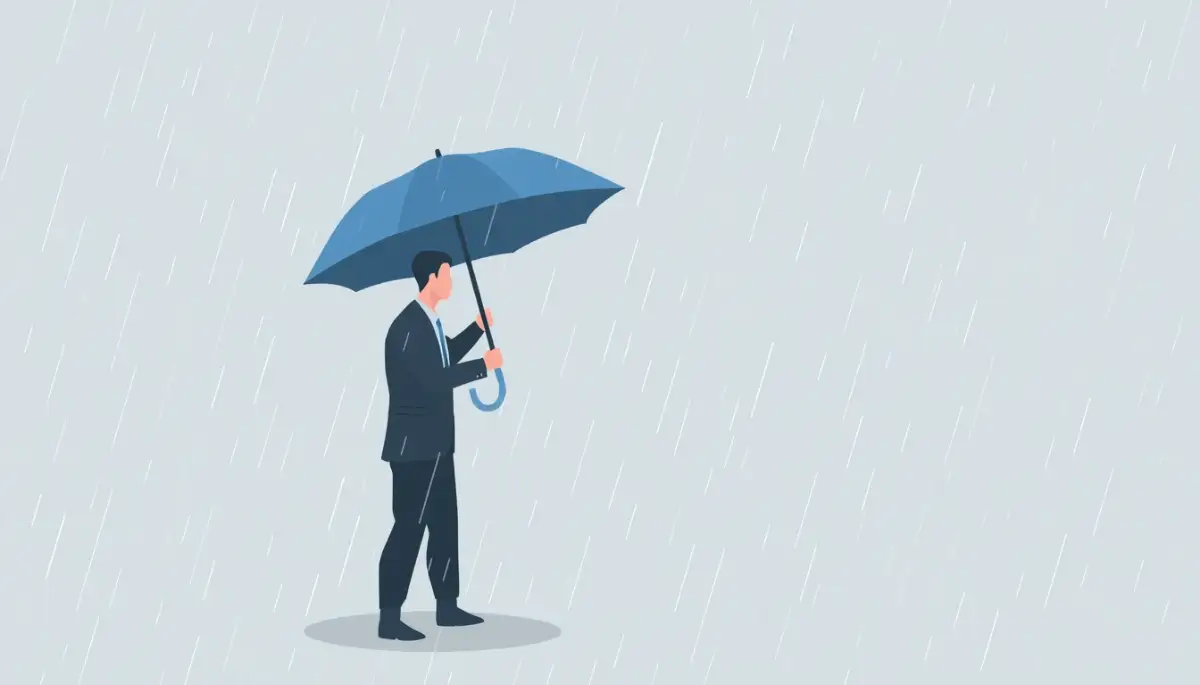
Picture it like this: you're agreeing to hold an umbrella over someone else during a storm, even if you're not the one who caused the rain. Some indemnification clauses are fair and balanced. Others are written entirely in favor of one side, and if you're not reading carefully, you won't know which one you just signed.
| Balanced Indemnification Clause | One-Sided Indemnification Clause |
|---|---|
| Each party covers losses caused by its own mistakes. | You cover losses even for mistakes the other party made. |
| Includes a reasonable cap on how much you could owe. | No dollar limit on what you could be responsible for. |
| Applies only to claims directly related to the contract. | Written broadly enough to cover almost any dispute. |
Want to see a simple breakdown of how indemnification clauses actually work and what to look for before you sign? Watch this quick explanation before reading the next section below.
Why This Clause Slips Past So Easily
Contracts are long. Most people are busy. Legal language is intentionally precise, which often makes it harder to read quickly, not easier.
When a contract feels routine, like a template you've seen before, your brain naturally assumes it matches every other version you've signed. That assumption is exactly what makes this risk so dangerous.
Templates get copied, reused, and slightly modified over time, sometimes by someone who isn't a lawyer at all. A clause that was fair in one context might quietly become unbalanced once it's copied into a different agreement with different stakes.
A Simple Way to Spot the Risky Language
You don't need a law degree to catch the warning signs. You need to know which phrases deserve a slower read.
Watch closely for the words "indemnify," "hold harmless," "liable for any and all," or "regardless of fault." These phrases often signal that responsibility is being shifted, sometimes heavily, onto one side of the agreement.
Ask yourself a simple question every time you see one of these phrases: if something goes wrong here, who actually pays for it, and is that fair given what I'm getting from this deal?
I made the mistake of assuming every contract clause was neutral just because it sounded formal and official. Realizing that formal language doesn't automatically mean fair language was the moment I started reading contracts completely differently, slower, and with a lot more questions.
Reading the Fine Print Without Losing Your Mind
You don't have to read every contract like a courtroom drama. You just need a system that catches the clauses that actually matter.
Start by identifying the sections that deal with money, responsibility, and risk. These usually include indemnification, liability limits, and termination terms.
Skim the rest for context, but slow down completely once you hit these sections. Read them twice if the wording feels dense, and don't be afraid to ask the other party to explain anything you don't fully understand.
If a clause feels one-sided or unclear, that discomfort is useful information. It's often your first real signal that something in the agreement deserves a closer look, or a conversation, before you sign anything.
Building the Habit of Asking Before Signing
Most people feel awkward asking questions about a contract, especially with someone they already trust or want to work with. That hesitation is exactly what allows unfair clauses to slide through unnoticed.
Asking a simple question like "can you walk me through this section?" is not confrontational. It's a completely normal part of doing business carefully.
A reasonable business partner will answer clearly and without pushback. If someone gets defensive or rushes you past a specific clause, that reaction alone tells you something worth paying attention to.
Protecting your business isn't about distrusting everyone you work with. It's about making sure the words on the page actually match the deal you think you're agreeing to, every single time you sign your name.
Turning Contract Review Into a Skill, Not a Chore
Spotting one risky clause is useful. Building a habit that catches risky clauses every single time is what actually keeps your business safe long term.
Most people treat contract review as something they only do carefully when a deal feels big or unfamiliar. The real protection comes from treating every contract the same way, regardless of how routine or friendly it feels.
Build Your Own Quick-Scan Checklist
You don't need a law degree to build a simple system. You need a short list of sections you check every single time, before you sign anything.
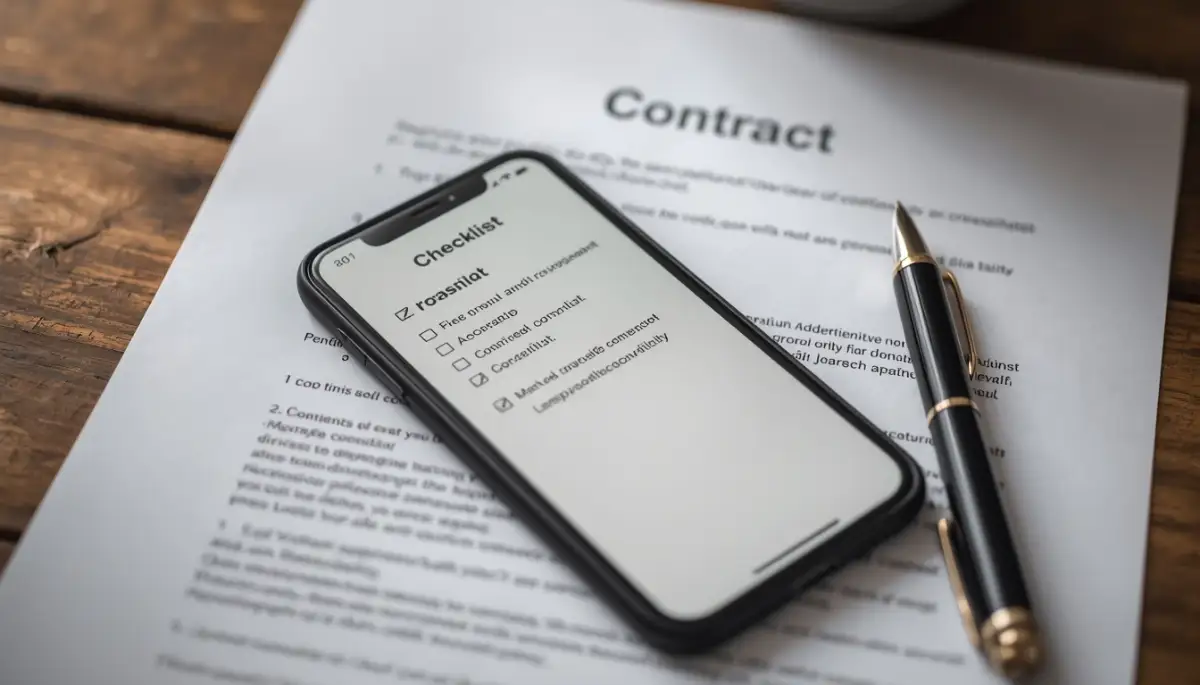
Create a mental or physical checklist: who is responsible if something goes wrong, what happens if either side wants out early, and what costs you might owe beyond the obvious price on the page. Running through these three questions takes a few minutes, but it catches most of the danger hiding in a typical contract.
I now keep a simple note on my phone with these three questions written out. Before signing anything, I read the contract once for general understanding, then I go back and specifically hunt for the answers to those three questions, and that second pass is where I catch almost everything that actually matters.
Learn the Handful of Phrases That Deserve Extra Attention
You don't need to memorize legal terminology. You need to recognize a small set of phrases that consistently signal risk.
Beyond indemnification, watch for "sole discretion," which often means the other party can make a major decision without needing your agreement. Watch for "in perpetuity," which can quietly mean an obligation never actually ends.
According to plain-language contract guidance published by the American Bar Association, understanding these common risk phrases is one of the most practical ways non-lawyers can protect themselves before signing formal agreements. Recognizing these words doesn't require legal training, it just requires knowing what to look for.
Negotiate Before You Sign, Not After
Many business owners assume a contract is fixed once it lands on their desk, especially if it came from a bigger company or an experienced vendor. That assumption costs people more than they realize.
Almost everything in a standard contract can be discussed before signing. Asking to soften a one-sided clause, add a cap on liability, or clarify vague language is a completely normal part of doing business.
If the other party refuses to discuss even reasonable adjustments, that response tells you something important about how they'll handle disagreements later, long before any actual conflict happens.
Know When Silence Costs You Money
There's a quieter risk many people overlook entirely: saying nothing during negotiation counts as agreement. If you notice a clause you don't like but stay quiet because the conversation feels tense, you haven't protected yourself, you've simply accepted the term without saying so out loud.
A short, calm sentence like "I'd like this section adjusted before we move forward" carries real weight. It puts your concern on record and gives the other side a clear chance to respond, rather than leaving your hesitation buried in your own head where it does nothing to protect you.
Here's what this looks like in practice: a freelancer noticed a clause requiring her to cover "any and all claims" related to a project, even ones unrelated to her actual work. She said one sentence during the call, "I'd like this narrowed to claims connected to my deliverables," and the client agreed without pushback. That single sentence, said out loud instead of just noticed and ignored, kept her from being on the hook for problems that had nothing to do with her.
Keep a Simple Contract Library
Save every signed agreement in one place, organized by vendor or client name, along with the date it was signed. This sounds basic, but most small businesses don't do it consistently.
When a dispute or renewal comes up months or years later, having quick access to the exact terms you agreed to saves enormous stress. You're no longer relying on memory or a scattered inbox search, you're pulling up the actual document in seconds, along with any email threads where terms were discussed or clarified.
The Costly Habits That Let Dangerous Clauses Slide Through
Even careful people fall into predictable traps that let risky language slip past unnoticed.
Signing quickly because a deal feels urgent is one of the most common mistakes business owners make. Deadlines create pressure, and pressure makes people skip the slow, careful reading that actually catches dangerous clauses. A contract that takes fifteen extra minutes to review properly is almost never the reason a deal falls through, but rushing through it absolutely can be the reason a business gets hurt later.
Another quiet trap is assuming a template is automatically safe because it looks professional. Polished formatting and formal language create a false sense of security. A clause can be beautifully written and still be completely unfair, and the professional appearance of a document has nothing to do with whether its terms protect you.
There's also the mistake of trusting a relationship instead of reading the actual words on the page. You might work with someone for years, build genuine trust, and still sign something that doesn't reflect that relationship at all. People change, businesses get sold, and the person who originally negotiated fairly with you might not be the one enforcing the contract later.
Many business owners also make the mistake of never revisiting old contracts once they're signed. A vendor agreement written years ago might still be technically active, quietly renewing itself long after the original relationship changed. Without a regular review habit, these older agreements become blind spots exactly when your business has grown and has more to lose.
Finally, there's the trap of feeling embarrassed to ask questions. Business owners sometimes worry that asking for clarification makes them look inexperienced or difficult. In reality, asking sharp questions about contract terms is one of the clearest signs of someone who takes their business seriously, and it consistently earns respect rather than losing it.
Each of these habits shares the same root cause: treating contract review as a formality instead of an active decision you're making every time you sign your name.
Your Next Step Starts With One Contract, Not All of Them
You don't need to reread every agreement you've ever signed today. You need to build one small habit and apply it starting right now.
Do: Pull out your most active current contract and reread it using the three-question checklist from earlier.
Do: Ask direct questions about any clause using words like "indemnify," "sole discretion," or "in perpetuity," even if the deal already feels friendly.
Don't: Assume a professional-looking template is automatically fair just because it looks official.
Don't: Wait for a dispute to start before actually understanding what you already agreed to.
I still think about that vendor contract sometimes, and honestly, that uncomfortable letter turned out to be one of the most valuable lessons my business ever received. If reading through this saves you from a single dangerous clause down the road, that's exactly the kind of quiet win that keeps a business standing strong for years. Take five minutes today, pull up one contract, and actually read it like it matters, because it does.
Common Questions About Hidden Contract Clauses
What is an indemnification clause in simple terms?
It's a section where one party agrees to cover the other party's losses or legal costs if something goes wrong. Depending on how it's written, it can be fair and balanced, or it can shift almost all the risk onto one side.
Can I ask to change a contract before signing it?
Yes, almost every term in a contract can be discussed and negotiated before you sign. A reasonable business partner will usually be willing to explain or adjust unclear language, and hesitation to do so is worth paying attention to.
Do I need a lawyer to review every contract I sign?
Not always. Many everyday agreements can be reviewed carefully using a simple checklist, though contracts involving significant money, liability, or long-term commitments are worth having a qualified professional look at, similar to how understanding whether a verbal agreement holds up in a legal dispute matters before relying on any agreement, written or spoken.
What should I do if I already signed a contract with a risky clause?
Review the document carefully to understand exactly what you agreed to, then reach out to the other party to discuss a possible amendment if the terms feel unfair. Resources like SCORE, a nonprofit that offers free business mentoring, can also help you think through next steps before escalating anything formally.
Are template contracts from the internet generally safe to use?
They can be a reasonable starting point, but they're not automatically safe just because they look professional. Templates often need adjustments to match your specific business, and courts sometimes examine template language just as strictly as custom-drafted terms, based on guidance available through resources like Justia's legal information library.
Disclaimer: This article is for general informational and educational purposes only and does not constitute legal advice. Contract terms and their enforceability vary by jurisdiction and situation. Please consult a qualified legal professional before signing or relying on any business contract.