

The Sub-Zero Panic: Watching Your Estimated Miles Vanish in the Snow
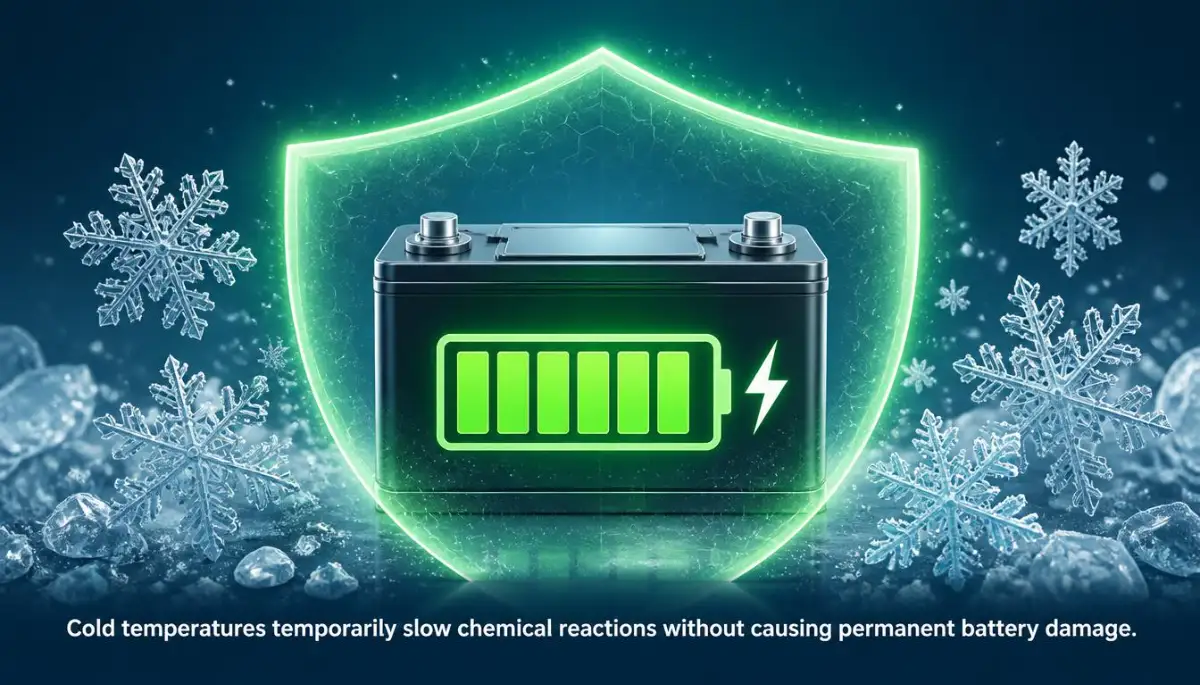
A forty percent range drop on a freezing morning feels like proof your battery is dying, but it almost never is. Cold liquid inside the battery just moves slower, the same way honey pours thicker out of a fridge than off a counter. Once the pack warms up, that lost range comes right back. The real question is not whether your battery survives winter, it is whether you know how to work with the chemistry instead of fighting it.
Quick Takeaways Before Your Next Cold Morning
- Winter range loss is almost always temporary, caused by thick cold electrolyte, not permanent battery damage.
- Precondition your car while still plugged in, it uses cheap grid power instead of your stored battery range.
- Never fast-charge a deeply frozen battery without letting it warm up first, doing so risks permanent capacity loss.
- Use heated seats over full cabin heat; heating the cabin air is often the single biggest drain on winter range.
Cold Weather EV Chemistry: Temporary Range Loss versus Permanent Battery Damage
To understand why your electric car behaves differently during winter freeze, you must separate temporary performance loss from permanent battery degradation.
Your electric vehicle relies on lithium-ion battery cells that generate electrical power through internal chemical reactions.
Let us explore the exact physical mechanisms that cause winter range drops and how your car's thermal systems protect the pack.
The Electrolyte Slowdown: Why Cold Batteries Transfer Energy Sluggishly
Inside every lithium-ion battery cell, lithium ions move back and forth between a positive cathode and a negative anode through a liquid electrolyte solution.
When the temperature drops below freezing, this liquid electrolyte becomes thick and viscous, much like cold motor oil or cold honey.
This thick liquid increases the internal resistance inside the battery cell, making it much harder for the lithium ions to move freely.
Because the ions move slower, the battery cannot release its stored energy as quickly, resulting in a temporary drop in available power and voltage.
This increased internal resistance also limits how quickly the battery can absorb energy during regenerative braking or charging.
However, once the battery pack warms up to its normal operating temperature, the liquid electrolyte thins out and full performance returns instantly.
Think of It Like This: Cold syrup poured onto pancakes moves in a slow, thick trickle, not because something is wrong with the syrup, but because cold makes liquids resist flowing. Warm that same syrup up and it pours normally again. Your battery's electrolyte behaves the exact same way, and just like the syrup, nothing about it is actually broken.
The cold weather does not break or damage the chemical structure of the cells; it simply slows down the physical speed of the liquid reactions temporarily.
Myth vs. Reality: Winter Electric Vehicle Performance
| Common Winter EV Belief | The Cold Chemical Reality |
|---|---|
| Parking your electric car in sub-zero weather causes permanent capacity loss. | Cold temperatures temporarily slow liquid reactions, capacity returns fully once the pack warms up. |
| EV batteries will freeze solid and crack during severe winter snowstorms. | The liquid electrolyte contains chemical mixtures that prevent the cell fluid from freezing solid. |
| Using your EV's cabin heater has no noticeable impact on driving range. | Resistance cabin heaters draw massive high-voltage power, causing up to half of your winter range loss. |
Where Your Winter Range Actually Goes: On a typical 40 percent cold-weather range loss, roughly half comes from cabin heating alone, not the motor or the cold battery chemistry itself. That means heated seats and a lower cabin air setting can claw back a meaningful chunk of range without touching anything mechanical.
The Hidden Energy Tax of Cabin Heating and Heat Pumps
The single largest consumer of battery power during winter driving is not the electric motor moving your wheels, but your cabin heating system.
Gasoline engines generate massive amounts of waste heat that can be used to warm the cabin for free through the radiator system.
Electric motors, on the other hand, are extremely efficient and produce almost zero waste heat during normal operation.
This means your electric car must use its main high-voltage battery pack to generate heat for your windshield defroster and cabin air.
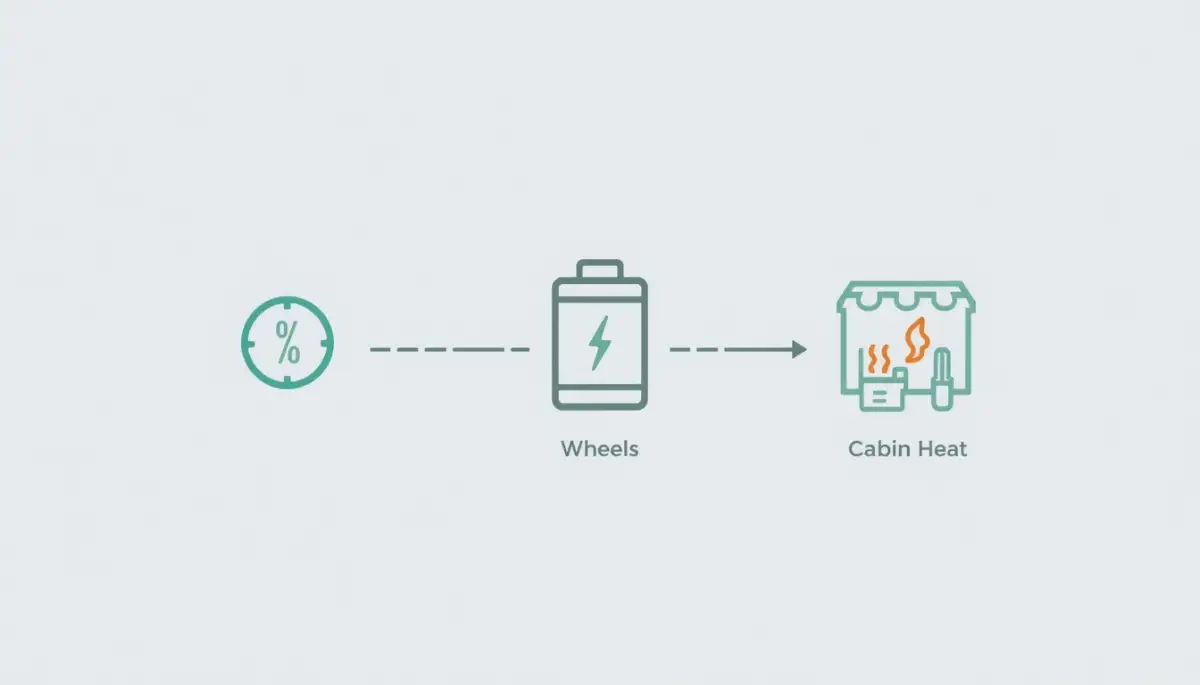
Older electric cars use resistive heating elements, which act like giant electric space heaters that rapidly drain your battery percentage.
Modern electric vehicles use advanced heat pump systems that compress ambient outside air to generate cabin heat using a fraction of the electricity.
A heat pump operates like a refrigerator running in reverse, scavenging ambient heat from the outside air and the electric motor to keep you warm efficiently.
Pro-Level Tip: Preconditioning While Plugged Into Grid Power
I used to start my electric car on freezing mornings without preconditioning, which wasted nearly fifteen percent of my battery just trying to warm the cabin and the battery pack. After reading my car's technical manual, I started setting a daily departure timer while the car was still plugged into my Level 2 home charger. The car now uses cheap home grid power to warm the battery pack and cabin before I leave, giving me full battery range the moment I unplug.
The Power of Preconditioning: Warming Your Pack Before Hitting the Road
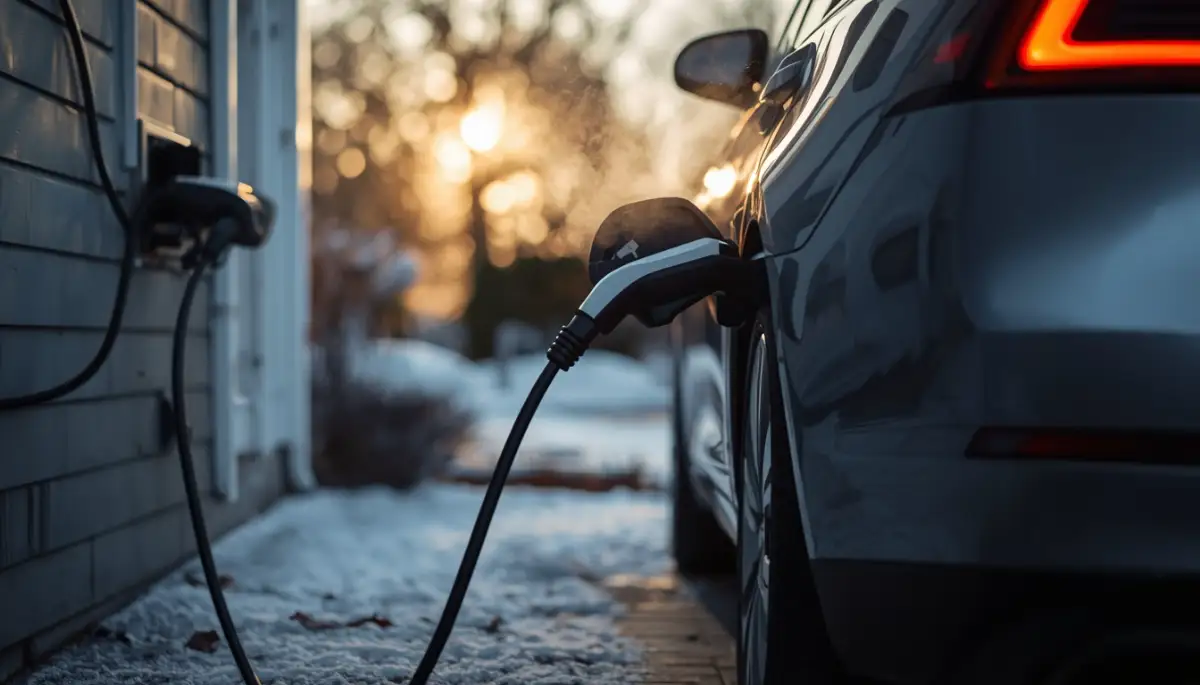
Preconditioning is the process of using software controls to warm your battery pack and cabin before you begin your morning drive.
When you set a departure time in your vehicle's mobile app, the car automatically turns on its internal thermal management system while still connected to your charger.
Want to see a step-by-step screen walk-through of how battery preconditioning restores winter driving range? Watch this quick, expert video guide before reading about fast charging speeds below!
Comparing Winter EV Performance: Cold Start versus Preconditioned Pack
To help you see the massive benefit of preconditioning, let us compare the performance numbers of cold versus prewarmed battery packs:
| Performance Metric | Cold Start (Unwarmed Battery) | Preconditioned Pack (Warmed on Grid) | |---|---|---| | Instant Range Availability | 30% to 40% initial range reduction | Full range available immediately at departure | | Regenerative Braking Power | Severely limited or disabled by software | Fully functional regenerative energy recovery | | Level 3 Fast Charging Speed | Extremely slow start due to cold cell safeguards | Fast peak charging speeds achieved immediately | | Cabin Comfort Level | Takes 10-15 minutes to reach warm target | Perfectly warm the moment you step inside |
DC Fast Charging in Sub-Zero Temps: Understanding Thermal Safeguards
If you try to plug a freezing cold electric vehicle into a Level 3 DC fast charger, you will notice that the charging speed starts painfully slow.
This slow charging speed is not a sign that the fast charger or your battery is broken.
Your car's Battery Management System (BMS) intentionally limits the incoming current to protect the cold lithium cells from permanent damage.
Charging a cold lithium battery at high speeds can cause a dangerous condition called lithium plating, where metallic lithium forms on the anode.
Lithium plating creates permanent internal shorts inside the cell, which causes irreversible battery degradation over time.
To prevent this, the BMS forces the fast charger to deliver low power until the internal heating elements warm the battery pack above freezing.
Once the battery reaches its optimal temperature range, the BMS automatically allows the charger to ramp up to its maximum power output.
Many modern electric cars will automatically pre-heat the battery pack when you enter a DC fast charging station into your onboard navigation system.
Winter Driving Habits That Preserve Daily Battery Percentage
Adjusting your driving style during winter months can significantly reduce your daily energy consumption and restore lost driving range.
Start by utilizing your heated seats and heated steering wheel instead of blasting the main cabin air heater at maximum temperature.
Heated seats transfer warmth directly to your body through conduction, using a tiny fraction of the electricity required to heat the entire cabin air space.
Reduce your highway cruising speed by five to ten miles per hour during freezing winter weather.
Aerodynamic drag and cold air density combine to create higher resistance against your car's body, requiring more power to maintain high speeds.
Check your tire pressure frequently throughout the winter, as cold air temperatures cause tire pressure to drop noticeably.
Underinflated winter tires create higher rolling resistance against the road surface, which increases energy consumption and wears out tire tread faster.
Pre-Winter EV Readiness Checklist
Before the first severe winter freeze arrives, run through this simple checklist to protect your electric vehicle's range and performance:
- Program your daily departure schedule in your vehicle's mobile app to automate battery preconditioning.
- Verify that your home Level 2 charging cable is securely mounted and kept clear of snow and ice buildup.
- Inspect your tire pressure using a digital gauge and inflate them to the recommended cold pressure listed on your door jamb.
- Switch your cabin climate settings to eco-mode and rely primarily on heated seats and steering wheel controls.
- Set your onboard navigation system to route through fast chargers so your battery pre-heats automatically before arrival.
- Store a high-quality, insulated winter emergency kit in your front trunk or rear cargo area for unexpected highway delays.
Running through this winter checklist ensures your electric car operates at peak efficiency even during the coldest months of the year.
Taking these basic precautions eliminates winter range anxiety, protects your battery pack, and keeps your daily winter drives completely stress-free.
Your electric vehicle is built to handle freezing temperatures with ease, so precondition your pack, drive smart, and enjoy the winter season.
Next-Level Hacks: Master Strategies for Winter EV Efficiency and Battery Protection
Once you understand that cold weather range loss is temporary, you can use advanced settings to optimize your daily driving.
Many new electric car owners make the mistake of leaving their vehicles completely unmanaged during freezing winter spells.
To protect your daily driving range and minimize battery degradation, you should adopt a few pro-level habits before cold weather arrives.
First, establish an automated grid-tethered pre-heating routine every single morning.
Most modern electric vehicles allow you to program a departure timer directly inside their mobile applications.
When you set this timer, your car uses electricity from your home wall outlet to warm the battery cells and cabin before you step outside.
By pre-heating your battery while connected to your home charger, you avoid spending stored battery power on thermal management.
Your battery starts its journey at its optimal chemical temperature, allowing full regenerative braking from the moment you put the car in drive.
According to thermal management studies published in NREL battery thermal management research, pre-heating a cold battery pack on grid power can preserve up to twenty-five percent of your total winter driving range.
This simple, automated routine keeps your daily commute stress-free while protecting your internal battery cells from cold-start stress.
Managing Storage Voltages During Extended Winter Layups
If you plan to leave your electric vehicle parked at an airport or in an unheated garage for several weeks during winter, storage voltage is critical.
Never leave an electric car parked in freezing temperatures with a hundred percent state of charge or near zero percent capacity.
High chemical voltage combined with freezing temperatures creates high physical stress on the internal cathode layers.
Instead, adjust your battery charging target to roughly fifty percent before leaving the vehicle parked for long periods.
A fifty percent state of charge provides the most stable chemical environment for lithium-ion cells in freezing weather.
It keeps the internal battery pack safe from low-voltage drops while preventing high-voltage chemical degradation.
Official winter care guidelines from the U.S. Department of Energy winter vehicle guidelines recommend keeping cold-parked vehicles connected to a low-power charger whenever possible.
Keeping the car connected allows the internal battery management system to run its low-power thermal guards automatically.
It ensures that your battery stays warm enough to prevent liquid electrolyte freezing during extreme sub-zero weather events.
If you park your electric car in an unheated garage, checking the building's physical seals and insulation can also reduce cold exposure.
Taking the time for spotting home inspection warning signs can help you identify garage insulation drafts that lower indoor temperatures.
Keeping your garage slightly warmer protects your vehicle's thermal systems and reduces the energy needed to warm the battery every morning.
Do's and Don'ts for Winter Electric Vehicle Care
- Do use your heated seats and steering wheel controls instead of blasting high-temperature cabin air.
- Do keep your electric car plugged into a Level 1 or Level 2 charger during sub-zero overnight freezes.
- Don't attempt fast DC charging on a freezing battery pack without letting the car pre-heat the cells first.
- Don't let your battery level sit near zero percent in freezing weather for more than a few hours.
Hidden Sandtraps: The Emotional Mistakes That Drain Cold-Weather Driving Range
When driving through freezing winter conditions, emotional reactions to dropping range numbers can lead to bad choices.
You might feel tempted to panic and make sudden adjustments that actually waste more battery power.
Understanding these psychological traps is key to maintaining your driving confidence and protecting your battery pack.
The most common trap is attempting Level 3 DC fast charging on a deeply frozen battery pack without pre-heating it first.
When you plug a freezing cold battery into a high-power fast charger, the car's computer will automatically throttle the charging speed down to a crawl.
This slow charging speed is a protective safety measure designed to prevent a dangerous condition called lithium plating.
According to research data from Idaho National Laboratory cold weather EV testing, fast charging a frozen battery cell causes metallic lithium to deposit on the anode, causing permanent capacity loss.
If you force high-current charging into a cold battery, you risk creating micro-shorts that permanently destroy your battery's storage capacity.
Rushing into fast charging without pre-heating your pack is an expensive error, much like identifying hidden personal loan fees where rushing a contract leads to unexpected costs.
To avoid this, always enter your fast-charging destination into your car's built-in navigation system at least twenty minutes before arriving.
The onboard computer will automatically run a pre-conditioning cycle that warms the battery pack to its optimal charging temperature.
Parking an EV at Zero Percent Charge in Freezing Weather
Another severe error is leaving your electric car parked overnight with an empty or near-empty battery in sub-zero weather.
When a battery pack hits zero percent, the internal chemical voltage drops to its absolute lowest safety limit.
If cold temperatures pull the voltage down further, the battery management system can lock out the pack entirely to prevent fires.
Once a battery pack enters a deep-discharge lockout state, standard home chargers will refuse to deliver electricity to the car.
You will be forced to tow the vehicle to a specialized service center to have the battery pack manually revived or replaced.
This nightmare scenario can leave you facing massive towing and repair bills that your insurance might not cover.
If you ever face an insurance disagreement over vehicle towing or damage claims, knowing your rights is essential.
You can read our guide on disputing denied car insurance claims to learn how clear documentation helps resolve insurance disputes.
Ignoring Tire Pressure Drops in Cold Weather
Cold air temperatures cause the air inside your tires to contract, resulting in a noticeable drop in tire pressure.
For every ten-degree drop in outside temperature, your tire pressure will decrease by roughly one pound per square inch (PSI).
Driving on underinflated winter tires creates high rolling resistance against the road, which rapidly drains your battery range.
Underinflated tires also reduce your vehicle's traction on icy roads, increasing your risk of winter accidents.
Check your tire pressure using a digital gauge once a week during cold months and inflate them to the recommended pressure.
Ignoring basic maintenance fine print can destroy your efficiency, similar to how avoiding early startup legal errors prevents small oversights from ruining a business.
Your Winter Driving Blueprint: Action Plan for Tomorrow
Achieving stress-free winter electric driving does not require you to be a battery engineer or software developer.
It simply requires you to understand temporary liquid resistance and adjust your daily morning routine.
Taking control of your battery preconditioning gives you the freedom to drive through cold weather with complete confidence.
Your Immediate Winter Action Checklist
Here is a simple, practical checklist you can put into action starting tomorrow morning:
- Program your departure timer: Set your morning departure schedule inside your electric car's mobile application.
- Keep it plugged in: Keep your car connected to your home Level 2 charger on freezing nights so it can pre-heat on grid power.
- Use zone heating: Turn on your heated seats and steering wheel instead of blasting max cabin air heat.
- Check tire pressure: Measure your cold tire pressure with a digital gauge and inflate them to the door-jamb recommendation.
- Route through navigation: Always enter DC fast-charging stops into your car's native map so the battery pre-heats automatically.
None of this takes special skill, just a five-minute app setting most owners never touch until their first cold snap forces the issue.
Let us take action tomorrow morning, set our departure timers, and drive through winter weather with absolute peace of mind.
Essential Questions Every EV Owner Asks About Winter Driving
Does cold weather cause permanent capacity loss in electric vehicle batteries?
No, freezing weather only causes temporary range loss by increasing the internal resistance of the liquid electrolyte. Once the battery pack warms up to its normal operating temperature, full energy capacity and driving range return completely.
Why does my electric car charge so slowly at fast chargers during winter?
Your car's Battery Management System (BMS) intentionally limits incoming charging power when the battery cells are freezing cold. This protective safeguard prevents lithium plating, which can cause permanent damage to cold battery anodes.
How much driving range do electric vehicles lose in freezing temperatures?
Electric vehicles typically lose between twenty to forty percent of their rated range in sub-zero weather conditions. Most of this energy loss is consumed by cabin air heating rather than driving the wheels.
Is it safe to leave an electric car plugged in all winter long?
Yes, it is completely safe and highly recommended to keep your EV connected to a charger during freezing winter weather. The car's onboard computer manages power intake automatically, using grid power to keep the battery warm and healthy.
Disclaimer:
This article is for general informational and educational purposes only and does not constitute formal engineering, automotive, or manufacturer warranty advice. Battery management systems, thermal guards, and winter charging protocols vary significantly by vehicle make, model, and battery chemistry. Always consult your vehicle's official owner manual or a certified electric vehicle technician before making major changes to your charging routines or winter driving habits.